
Where the Hand Creates, the Soul Remembers
In the Himalayan valley of Kashmir, a carved piece of walnut, a painted flower, a woven thread, and a handwritten verse can carry more than artistic beauty.
They carry the memory of saints, scholars, artisans, and communities whose spiritual and creative traditions have shaped Kashmir across centuries. Here, craftsmanship is not merely commercial manufacture—through patience, intention, beauty, and service, ordinary materials have become expressions of extraordinary devotion.
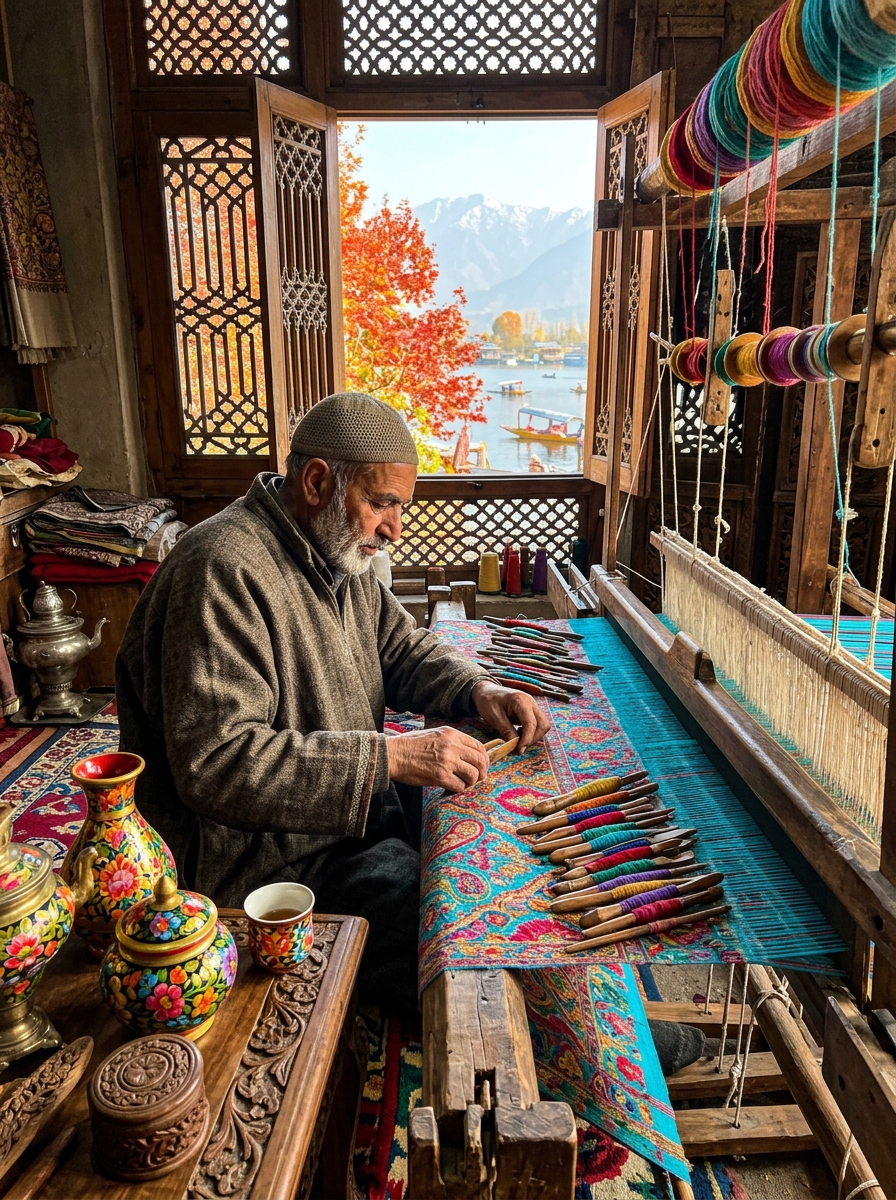
"Where the master hand weaves gossamer cashmere on traditional handlooms, while Chinar leaves are chiseled into seasoned walnut—capturing five centuries of shared spiritual devotion."
The Seven Chapters of Kashmiri Heritage
An illustrated editorial journey through the philosophical, architectural, and artisanal epochs that shaped the Valley of Living Craft.
Before the Sufi Arrivals: Kashmir's Ancient Spiritual Landscape
Long before the Persianate craft guilds traversed the Karakoram passes, the Kashmir Valley was an intellectual sanctuary of continental renown. As the cradle of Kashmir Shaivism (the Trika philosophy articulated by Abhinavagupta) and the historic convening site of the Fourth Buddhist Council under Emperor Kanishka at Harwan, the valley synthesized profound aesthetics with spiritual discipline. Monumental ashlar stone architecture—seen in the geometric peristyle of the Martand Sun Temple, the monolithic pillars of Avantipur, and the ancient stone sanctum of Gopadri (Shankaracharya Hill)—established an enduring reverence for proportion, natural stone, and spiritual contemplation.
"Sacred craftsmanship in Kashmir did not begin in a vacuum; it inherited an ancient architectural and philosophical tradition that viewed physical material as a vessel for transcendent consciousness."
The Arrival of Sufi Traditions and the Movement of Knowledge
In 1372 CE, Mir Sayyid Ali Hamadani (reverently remembered as Shah-i-Hamadan) arrived from Hamadan, Persia, accompanied by over seven hundred scholars, calligraphers, architects, and master artisans. Rather than monastic withdrawal, Hamadani taught that an artisan's labor was an honorable discipline of remembrance and community self-reliance. Over successive journeys, Central Asian and Persian techniques—including Shawl-baffi (pashmina weaving), Kar-e-Qalamdani (papier-mâché and lacquer), Doone Kaam (walnut carving), and Zargari (silversmithing)—were integrated into local guild structures. Khanqahs (spiritual hospices) functioned as both centres of contemplation and workshops of technical training.
"The transmission of crafts was both practical and spiritual: an ethical system that honored manual work as an antidote to spiritual indolence and community poverty."
The Rishi Tradition: Spirituality Rooted in the Valley
Unique to Kashmir is the Rishi movement—an indigenous mystical synthesis founded by Lal Ded (Lalleshwari) and Sheikh Noor-ud-Din Noorani (Nund Rishi, Sheikh-ul-Alam). Rejecting orthodoxy and ostentation, the Rishis spoke in the vernacular Kashmiri idiom of vakhs and shruks, preaching profound non-harm, vegetarianism, reverence for mountain watersheds, and equal dignity across faiths. This ethos directly influenced Kashmiri craft aesthetics: rather than aggressive ornamentation, Kashmiri artisans developed an understated, organic elegance inspired by almond buds (Badam), water ripples (Lahar), and the sacred Chinar leaf (Boeun).
"The Rishi tradition rooted Kashmiri craft in nature and quiet modesty, reminding artisans that the hand should honor the tree, the earth, and the neighbor."
Architecture as an Expression of Faith
In a high-seismic valley subject to harsh alpine winters, Kashmiri builders rejected brittle stone in favor of resilient indigenous Himalayan Deodar cedar (Cedrus deodara). This birthed Kashmir's legendary timber architecture: tiered pagoda roofs with upturned eaves, Khatamband ceilings constructed from thousands of interlocking polygonal pine slats without a single iron nail, and delicate Pinjrakari pierced geometric lattice screens that filter natural light like prayer beads. At Jamia Masjid Srinagar, 378 soaring cedar trunks create a forest of silent acoustic majesty, while Khanqah-e-Moula on the Jhelum river preserves hand-painted lacquered timber cornices.
"Kashmiri architectural joinery evolved not merely for utility, but as a three-dimensional manifestation of geometric harmony and environmental adaptation."
From Workshop to Sacred Space
A singular strength of Kashmiri craftsmanship is its adaptability across sacred and domestic domains. A master Naqash (pattern designer) who painted gold leaf and mineral lapis floral scrolls on a royal court pen-box (qalamdan) applied the identical floral arabesque to the papier-mâché ceiling of a Sufi shrine. The master woodcarver chiseling undercut Chinar leaves into a dowry chest crafted folding Rehal bookstands for the Quran, Gita, and Guru Granth Sahib with the same sacred precision. Ordinary tools—wooden needles, iron gouges, hair brushes—became instruments of shared cultural memory.
"The sacred in Kashmir was not isolated to sanctuaries; it inhabited the everyday objects of community life through intentional design and generational skill."
The Unknown Hands Behind Celebrated Objects
While museum chronicles celebrate emperors, maharajas, and merchants who traded Kashmiri shawls to Paris and Istanbul, the genuine custodians of this heritage were ordinary women and men in Downtown Srinagar (Shehr-e-Khaas) and rural hamlets. The elderly grandmother spinning raw Changthangi goat down on a delicate wooden charkha; the young apprentice memorizing the encoded musical chants of the Kani loom (the Talim script); the woodcarver sitting barefoot on straw mats carving seasoned walnut heartwood by winter candlelight—these hands carried the civilization.
"True provenance requires celebrating the nameless makers whose quiet devotion preserved living traditions through centuries of political upheaval."
The Unfinished Inheritance: Preservation & Contemporary Duty
Today, Kashmir's sacred heritage stands at a fragile crossroad. Machine-spun synthetic polyester masquerades as pure Pashmina, chemical paints supplant mineral Naqashi, and rapid modernization threatens master workshops. Preserving this living inheritance requires more than nostalgic admiration: it demands verifiable provenance, direct economic support to authentic master artisans, independent GI validation, and institutional dignity. Purple Soul connects American sanctuaries and contemplative homes directly to these living makers.
"When an ancestral craft disappears, we do not merely lose a commercial commodity—an irreplaceable chapter of human spiritual memory vanishes from the earth."
Sanctuaries of the Valley of Faith
Six architectural and spiritual anchors bridging Kashmir's Hindu, Shaiva, Buddhist, Sufi, and Rishi traditions in living cultural harmony.
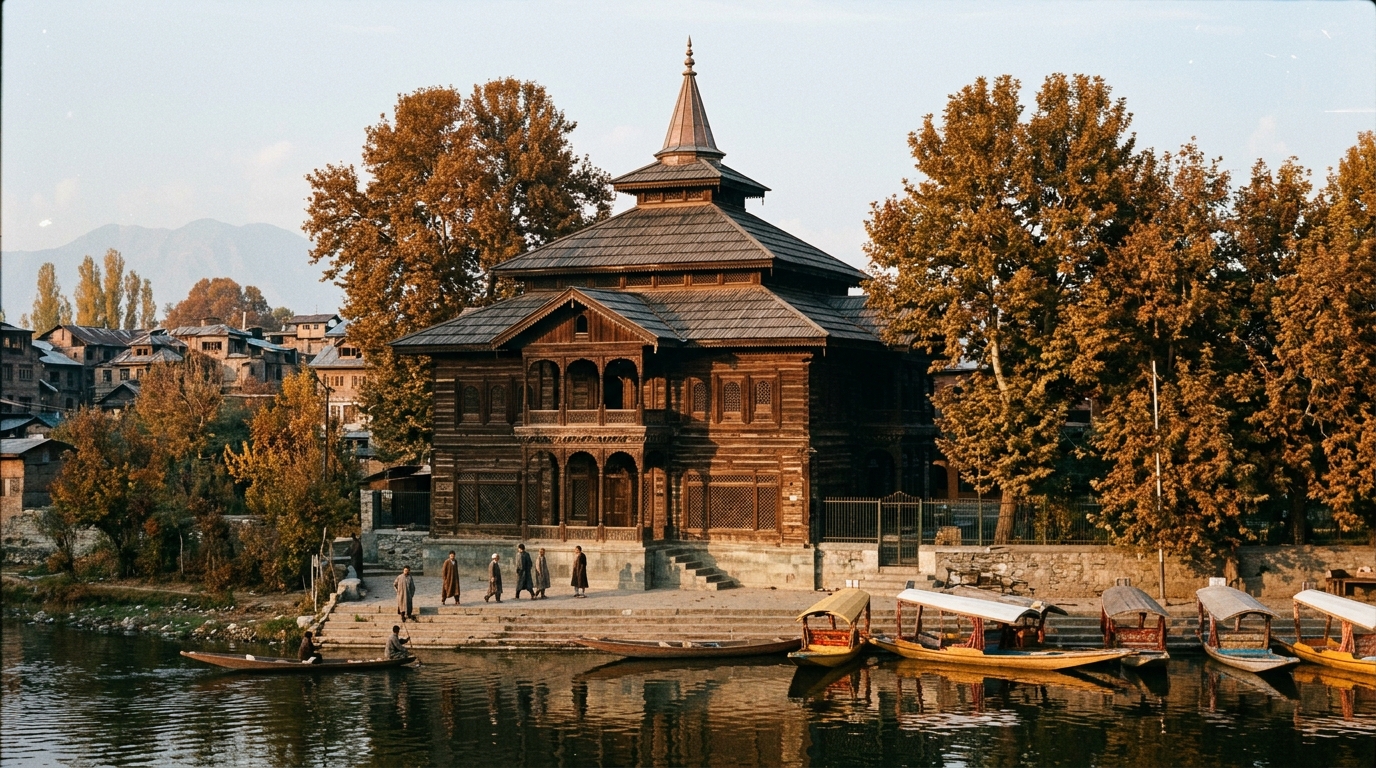
Khanqah-e-Moula
Constructed along the right bank of the historic Jhelum River, Khanqah-e-Moula is the monumental wooden hospice founded in 1395 in memory of Mir Sayyid Ali Hamadani. Renowned for its distinctive multi-tiered pagoda spire, intricate Pinjrakari balconies, and vibrant papier-mâché interior ceilings, it stands as the architectural epicentre of Kashmir's Persianate craft guild heritage.
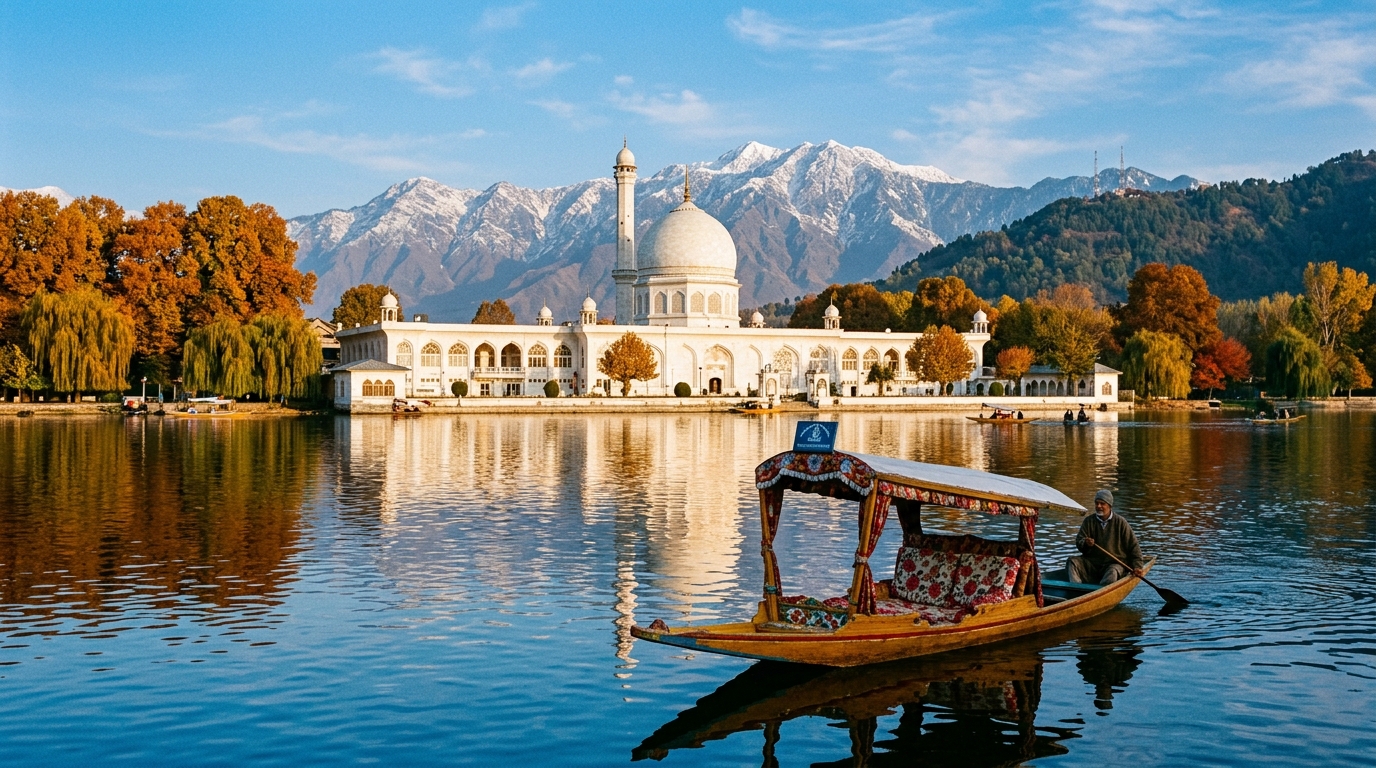
Hazratbal Dargah
Reflected in the serene waters of Dal Lake against the dramatic backdrop of Mount Mahadev, Hazratbal is Kashmir's only domed white marble shrine. Sheltering a sacred relic of Prophet Muhammad (Moi-e-Muqqadas), the dargah embodies custodial responsibility, solemn waterborne pilgrimage, and architectural purity.
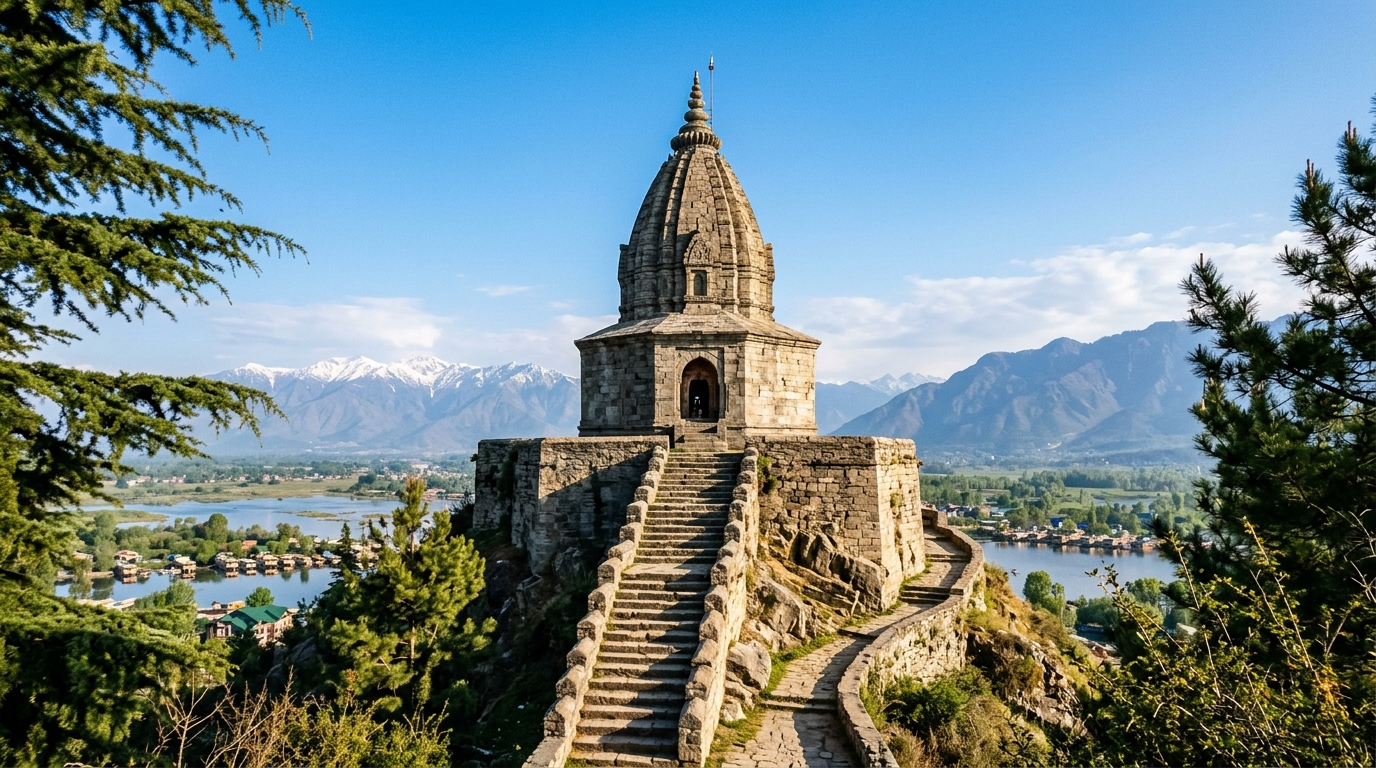
Shankaracharya Temple
Perched 1,000 feet above the valley floor atop Gopadri Hill, this monumental octagonal stone temple dates to the 9th century CE. Dedicated to Lord Shiva and historically associated with the philosopher Adi Shankara during his visit to Kashmir, it symbolizes the antiquity of Kashmir Shaivism and ancient Himalayan stone masonry.
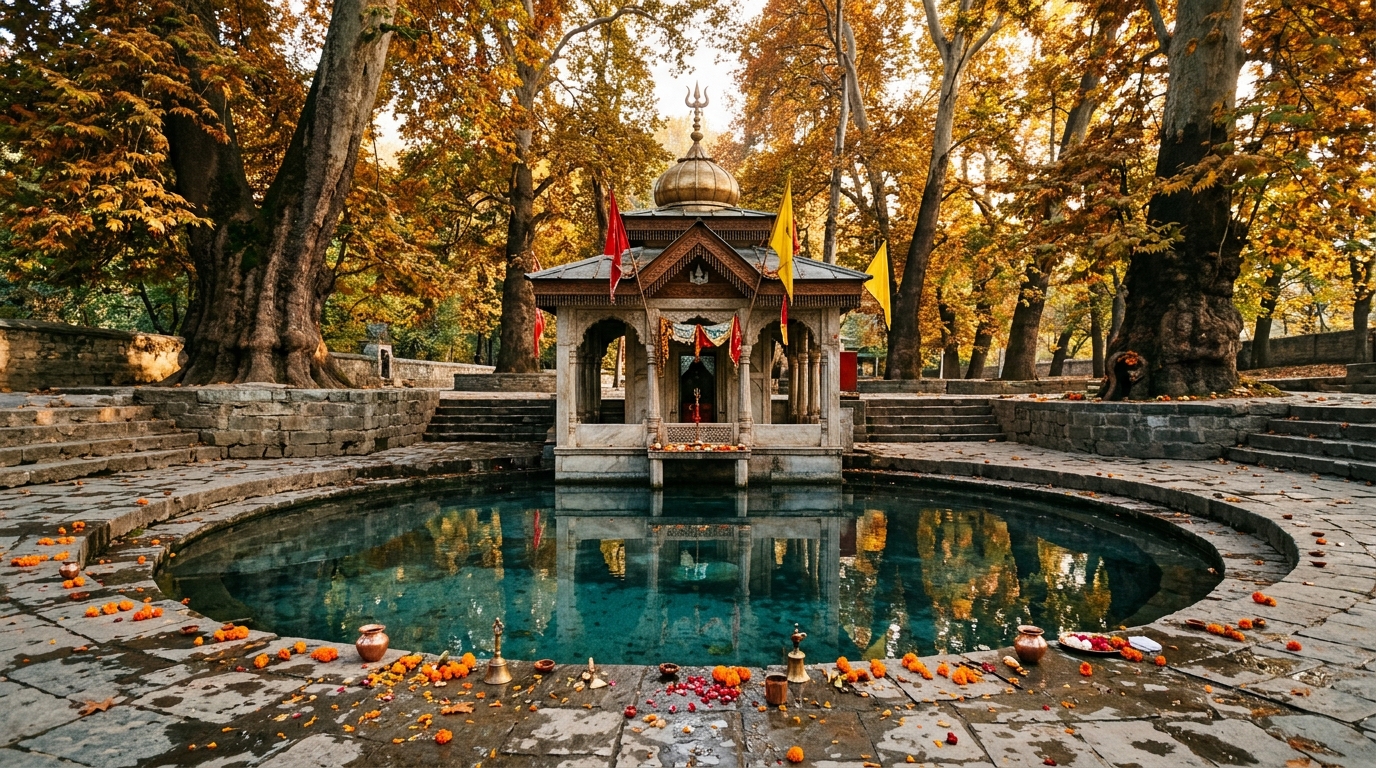
Kheer Bhawani Spring Shrine
Encircled by towering ancient Chinar trees, Kheer Bhawani is the deeply venerated natural spring shrine dedicated to Goddess Ragnya Devi. Kashmiri Pandit ritual tradition holds that the hue of the spring's sacred waters reflects valley wellbeing. The annual Mela Kheer Bhawani is celebrated as a powerful testament to intercommunal solidarity.
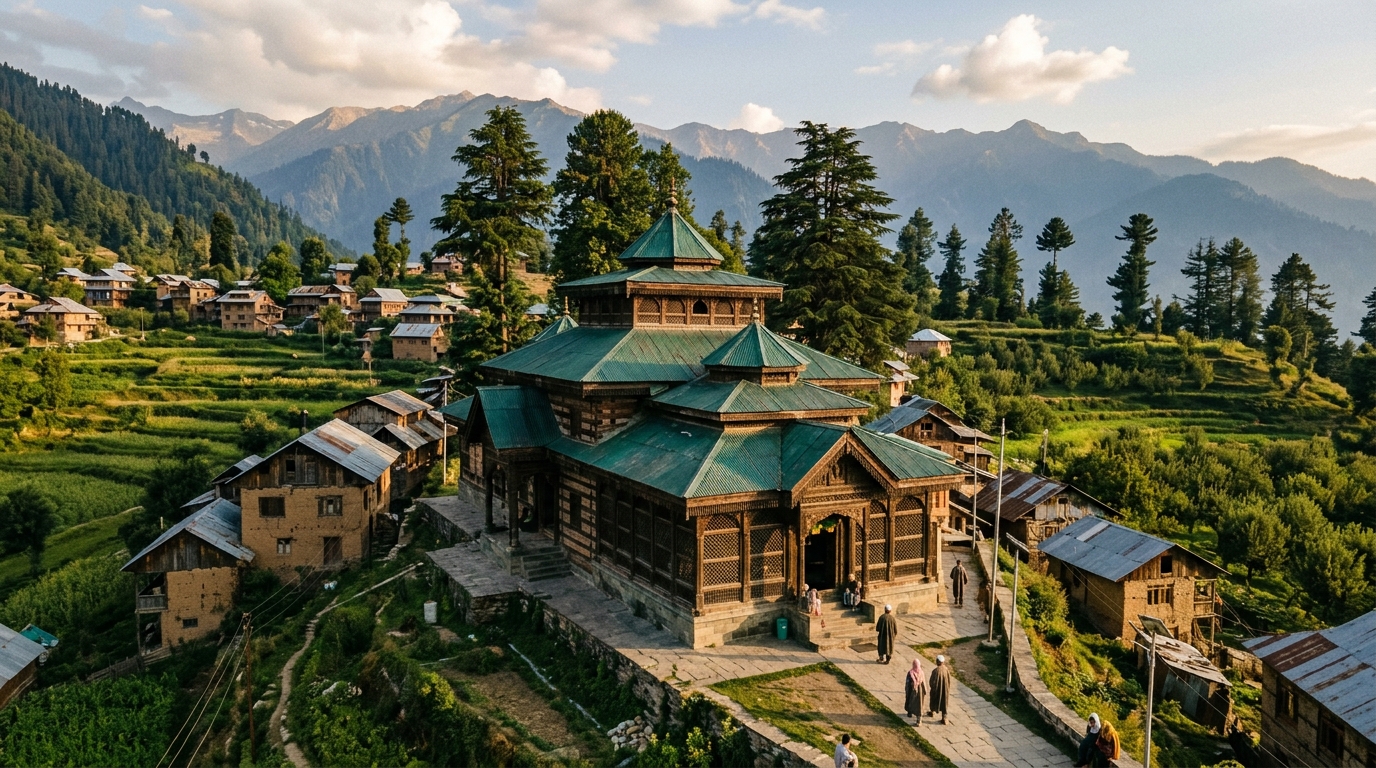
Charar-e-Sharief
High on the dry plateau of Budgam stands the sacred resting place of Sheikh Noor-ud-Din Noorani (Nund Rishi). His poetry laid the moral bedrock of Kashmiri identity: 'Food will last only so long as forests smile.' Charar-e-Sharief represents spiritual humility, ecological conscience, and the sanctification of honest manual craft.

Aishmuqam Cave Shrine
Clinging to a steep limestone cliff above the crystal Lidder River, the cave sanctuary of Hazrat Zain-ud-Din Wali is renowned for its subterranean meditation chamber and the celebrated annual festival of Zool (lights), where thousands of pine resin torches illuminate the mountain slopes.
The Sacred Craft Library
Eight essential Kashmiri craft traditions, articulating the critical distinction between ordinary domestic wares and sacred devotional commissions.
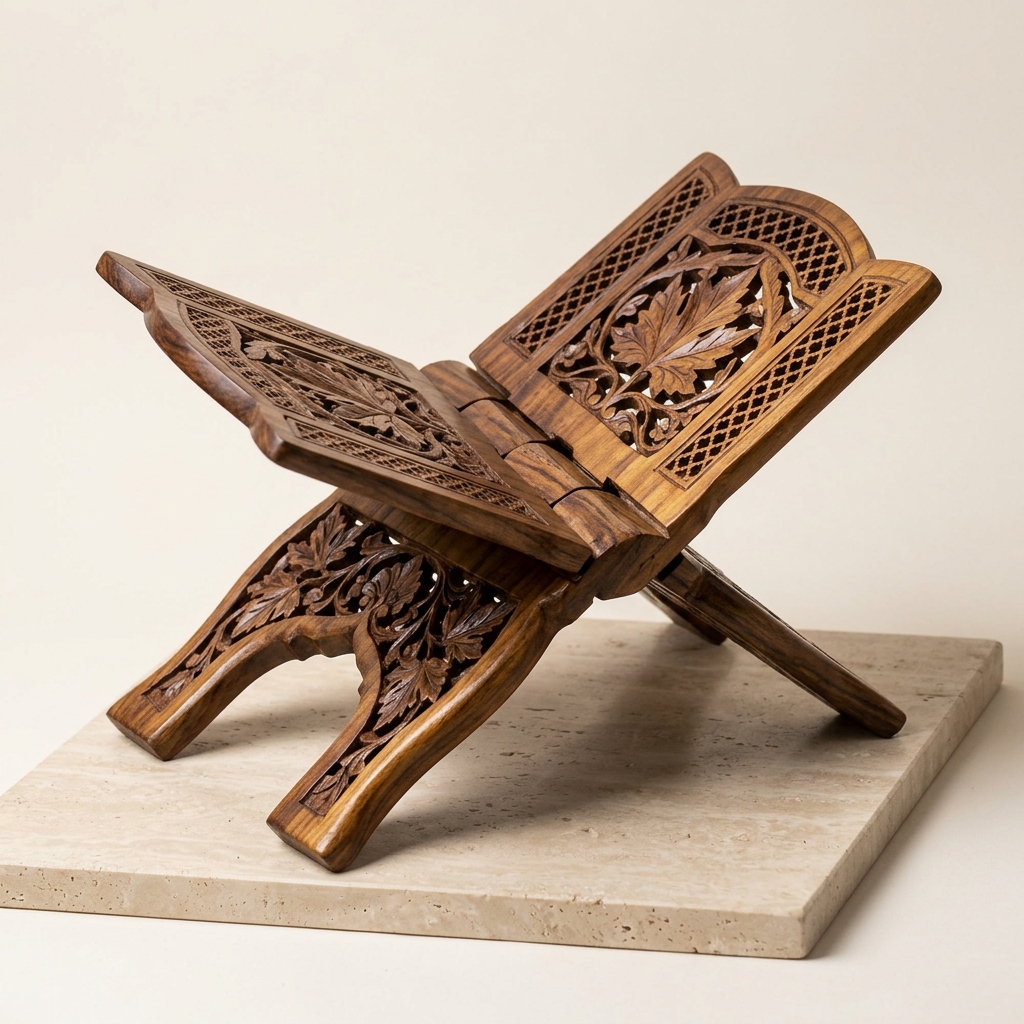
Walnut Wood Carving (Doone Kaam)
Carved exclusively from the seasoned rootwood and trunk of indigenous Kashmiri walnut trees. Artisans use hand gouges to achieve four distinct depth techniques: deep undercut (Khokerdar), raised relief (Vaboraveth), flat engraving (Zaldar), and open pierced fretwork.
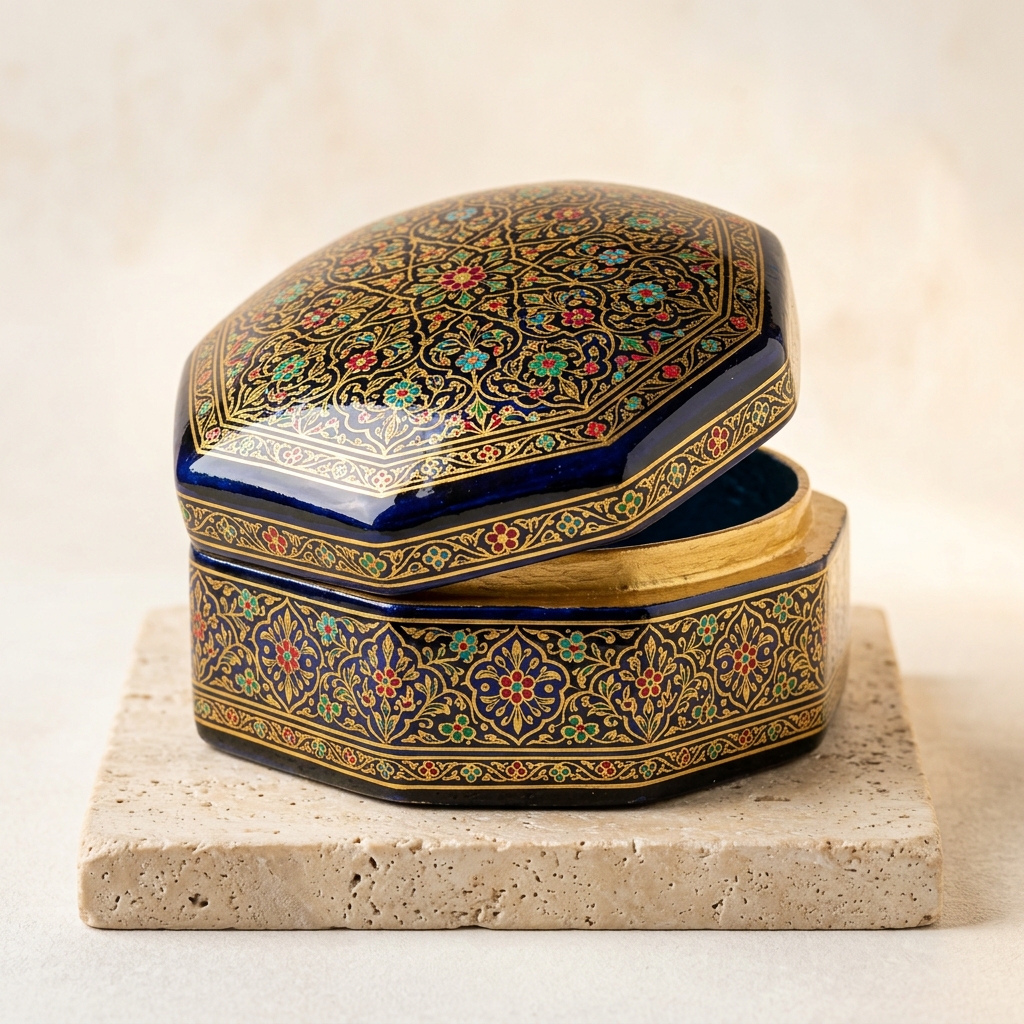
Papier-Mâché & Naqashi (Kar-e-Qalamdani)
Invented during the reign of Sultan Zain-ul-Abidin. Hand-molded paper pulp is dried, filed with agate stones, coated with gypsum slip, and hand-painted by a master Naqash using squirrel-hair brushes with lapis, saffron, and fine 24k gold leaf illumination.
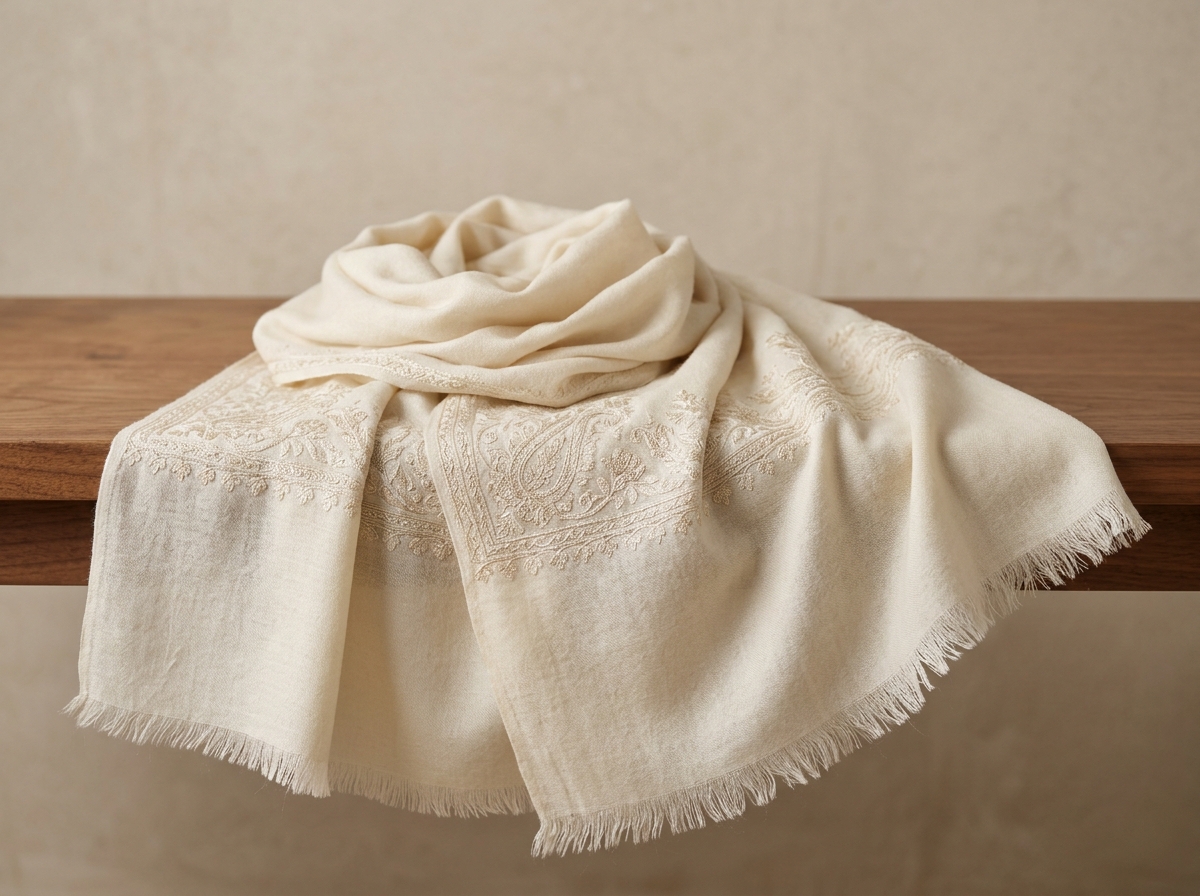
Pashmina & Kani Weaving
Fibers sheared from high-altitude Changthang goats measure an ultra-fine 12 to 15 microns. Woven on traditional handlooms either as solid twill weaves or through the intricate Kani technique, where color bobbins (tujis) follow an encrypted calligraphic chant (Talim).
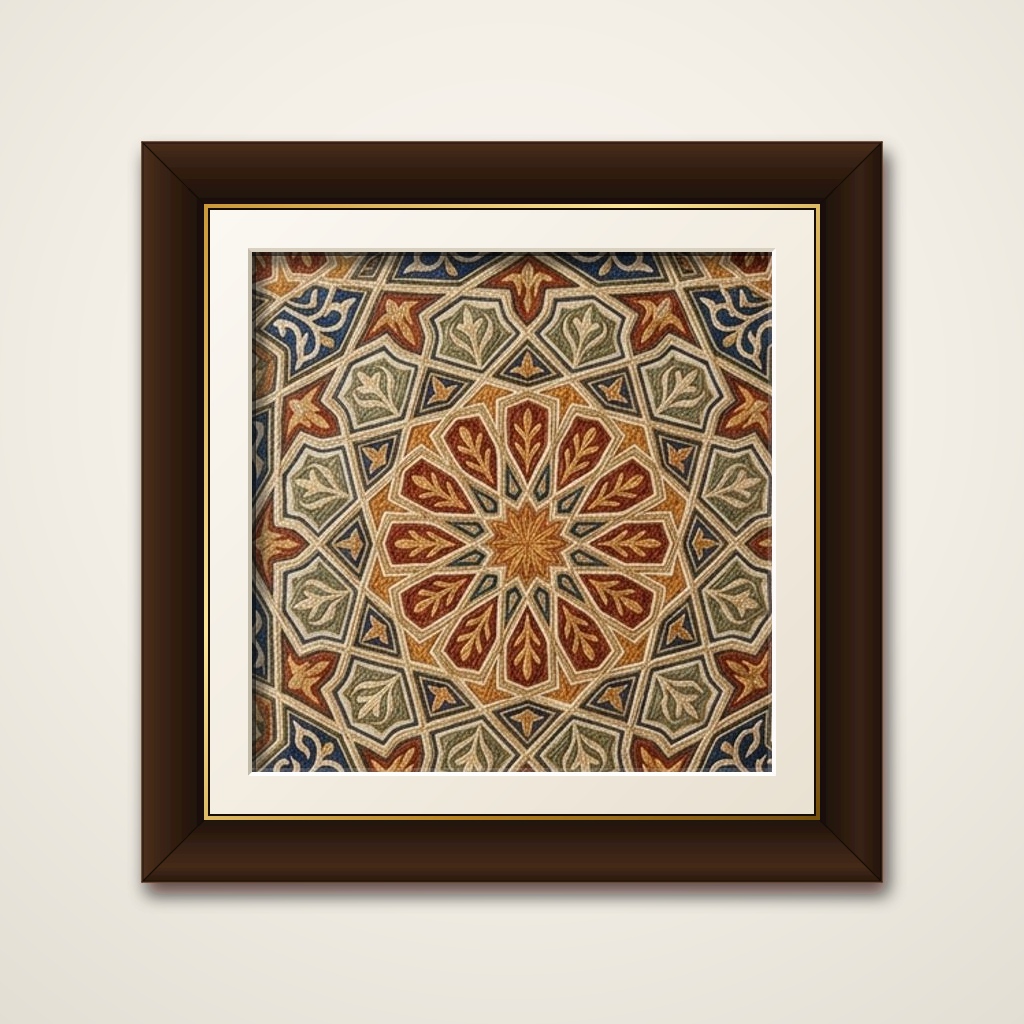
Sozni & Aari Needlework
Sozni uses miniature needlepoints of single-ply silk floss so minute they cannot be distinguished from woven fabric, creating identical motifs on both sides (Dorukha). Aari employs a hooked tambour needle to create tactile raised interlocking chain loops.
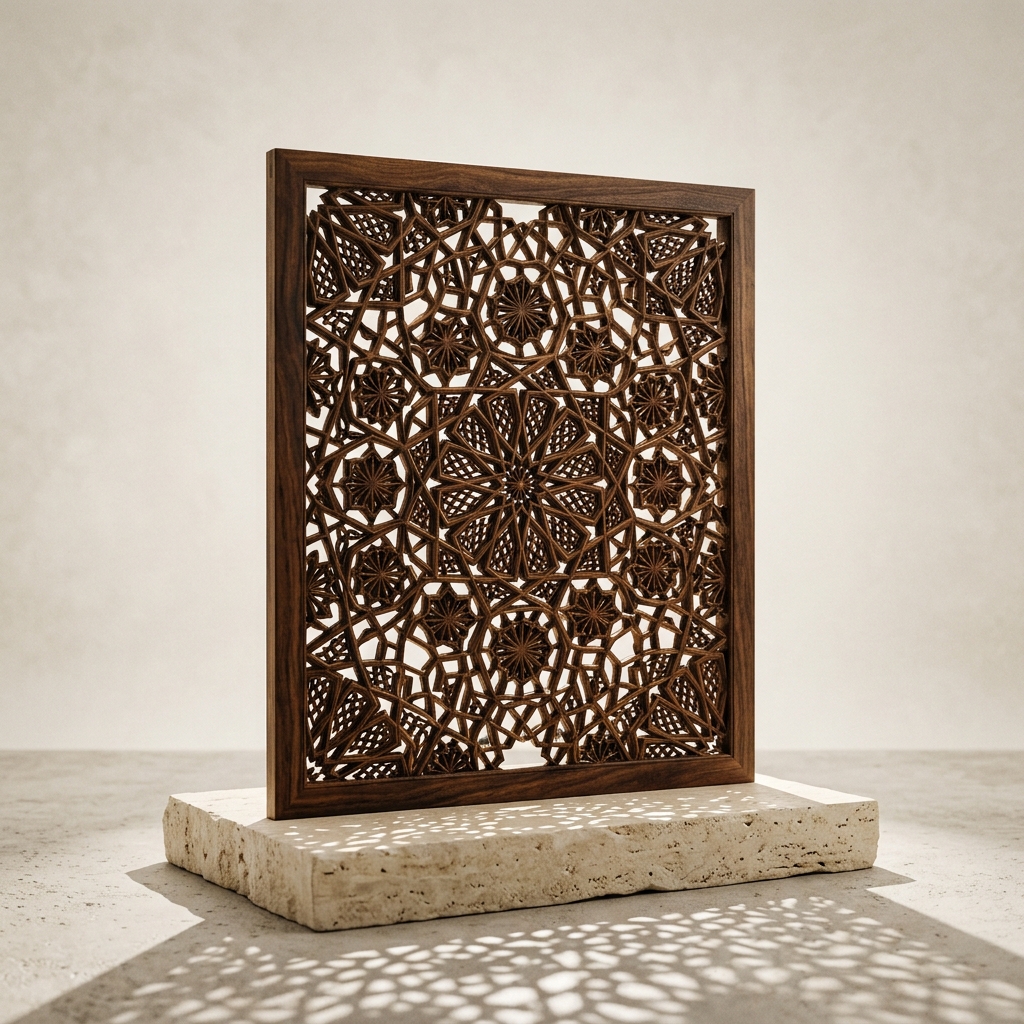
Khatamband & Pinjrakari
Khatamband is a geometrical puzzle ceiling crafted from seasoned fir or pine batons held entirely by mortise-and-tenon joints without a single iron nail. Pinjrakari uses interlocking wooden dowels to form pierced hexagonal and 12-point star daylight screens.
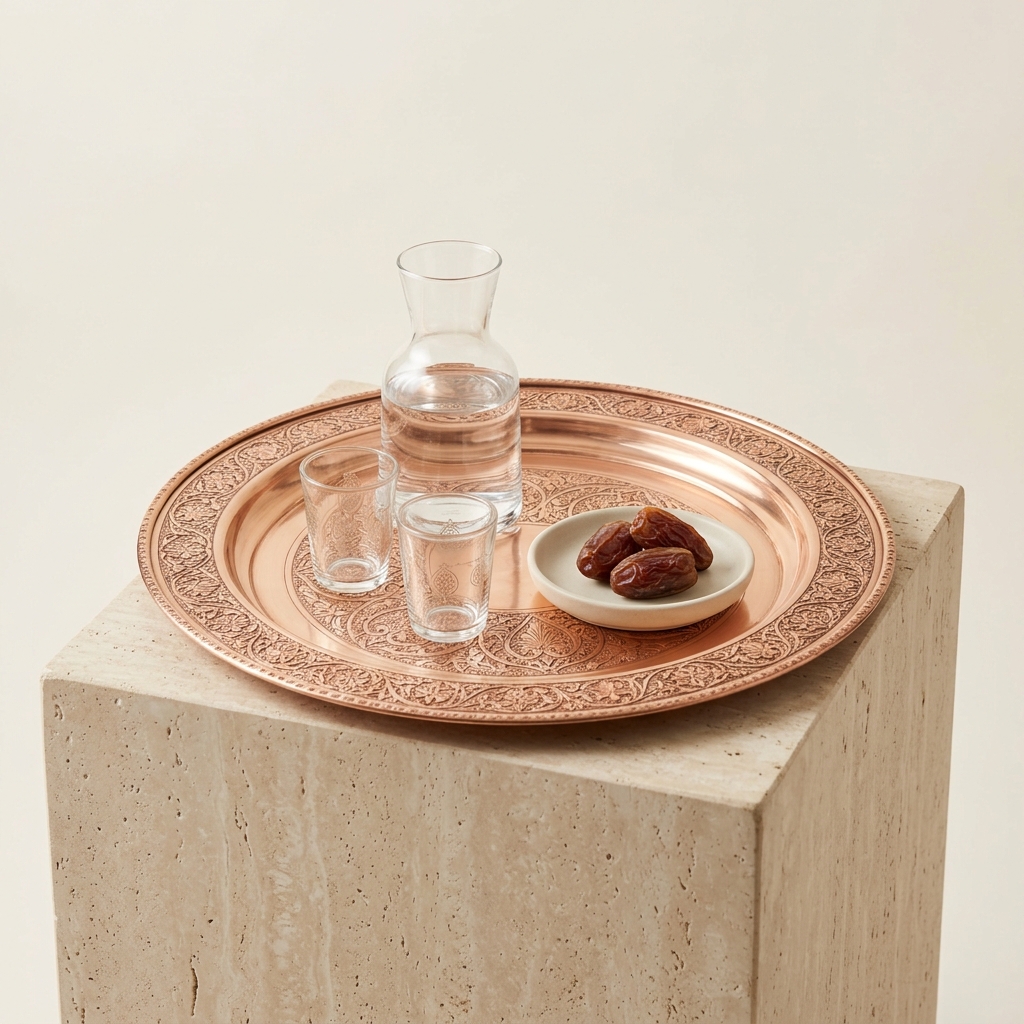
Copperware & Engraving (Kandkari)
Master coppersmiths (Thanthur) forge and shape heavy copper sheets, which are then chiseled by a naqash with delicate floral arabesques and calligraphic verses before undergoing Kalai (hot tin lining) to render them 100% food-safe.
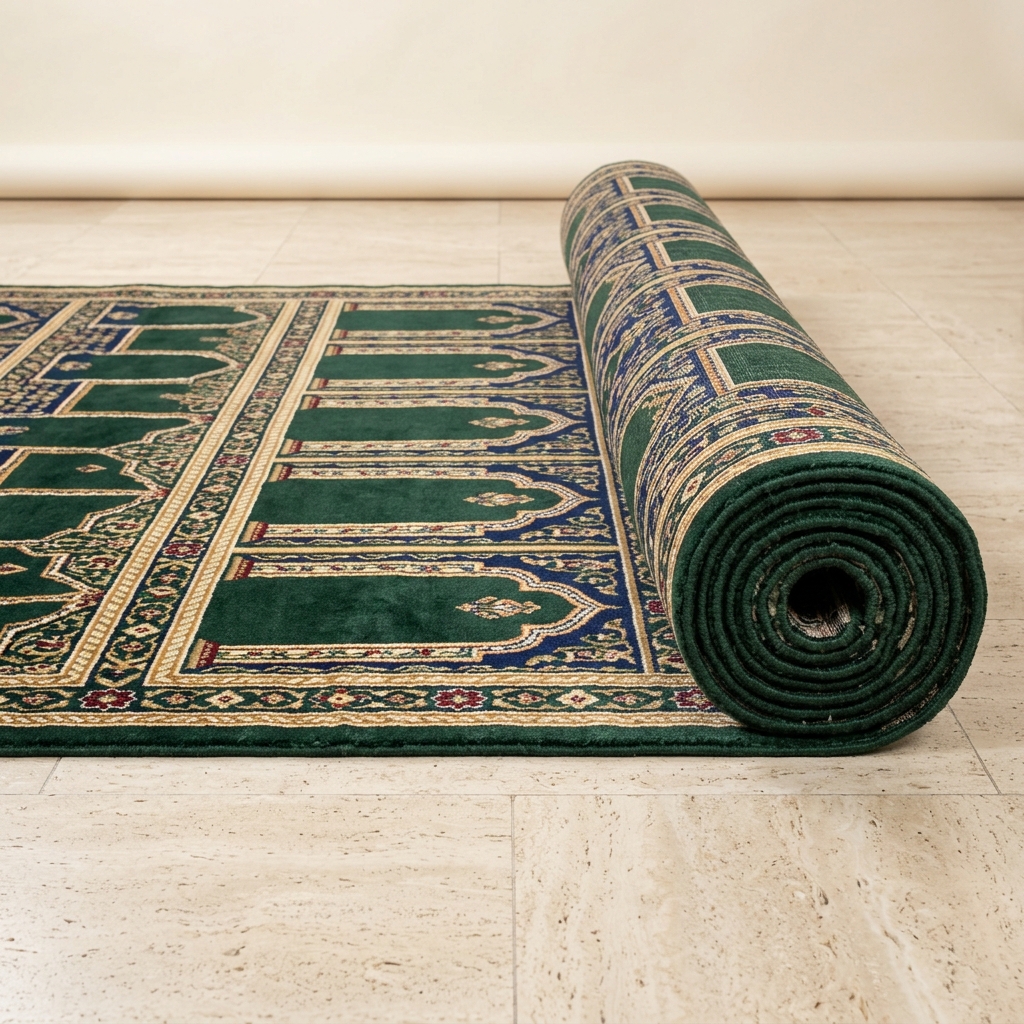
Hand-Knotted Carpets (Kalbaffi)
Introduced by Persian master weavers, Kashmiri Kalbaffi carpets boast knot densities ranging from 400 to over 900 knots per square inch. Patterns depict classical Islamic garden layouts (Charbagh), tree of life motifs, and central medallions in jewel-tone natural dyes.
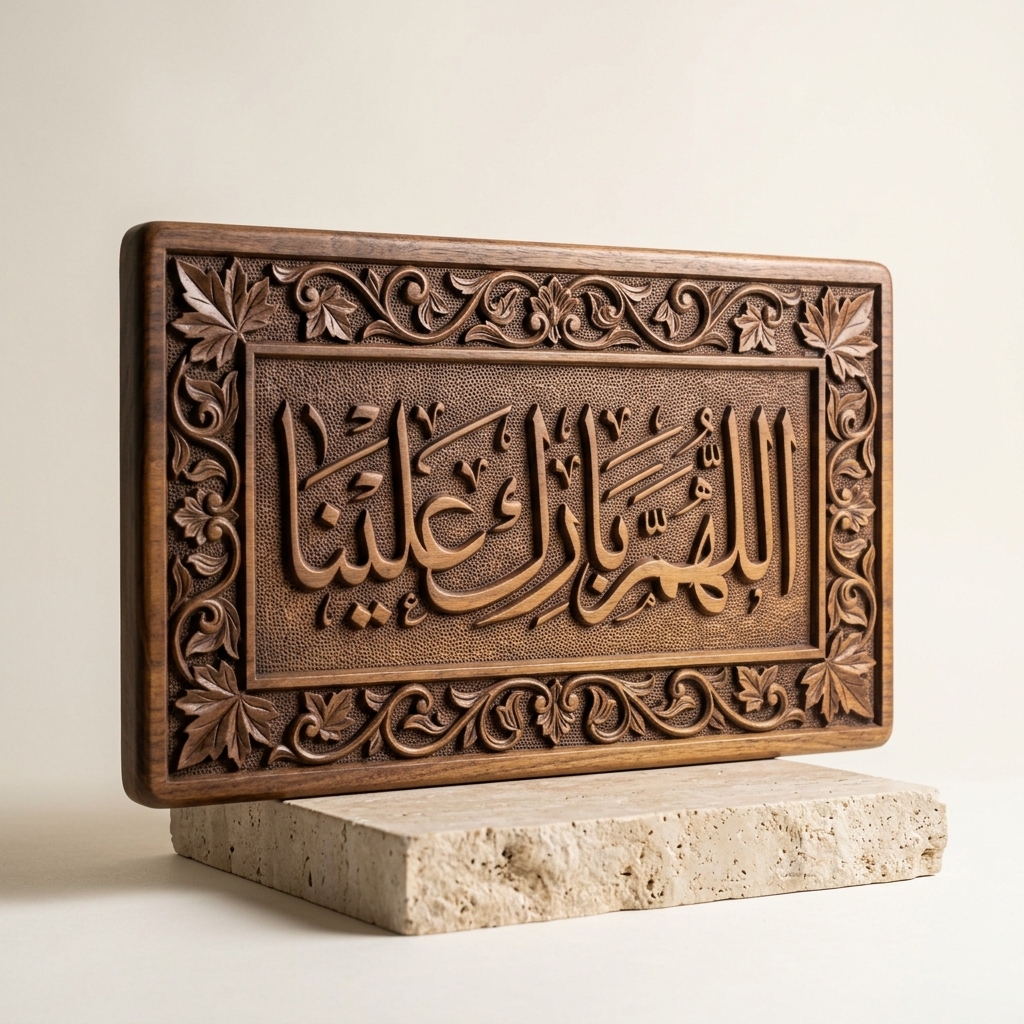
Calligraphy & Manuscript Arts
Kashmiri calligraphers mastered classical Thuluth, Naskh, and Persian Nastaliq scripts. Writing with hand-carved river reeds (qalam) using soot and walnut-skin inks, master scribes preserved theological treatises and poetic vakhs for generations.
Unknown Hands. Enduring Legacies.
Authentic profiles of master artisans in Downtown Srinagar and Budgam whose generational patience preserves cultural memory.
Master Ghulam Mohiuddin
"The wood of the walnut tree teaches you patience. It grew for two centuries in the mountain cold. You cannot rush it with machines; you must listen to the grain before the chisel strikes."
Khadija Begum
"A single thread of raw Changthangi wool is as fine as a whisper. If your mind is agitated, the thread snaps. Hand spinning is my prayer of stillness before the dawn."
Bashir Ahmad Kakroo
"Many now use synthetic gloss and cardboard mold. We still boil rice starch and waste paper, polish with agate stone, and paint with lapis lazuli and gold leaf. That is why our boxes outlive generations."
Tariq Ahmad Dar
"When two weavers sit at the Kani loom, one reads the coded verse and the other weaves. It takes nine months to complete a single shawl. It is not manufacturing; it is a woven book."
The Five-Stage Provenance Journey
Establishing evidentiary trust per product—connecting Srinagar master workshops with American homes through verified documentation.
Origin Recorded
Every object is traced back to a specific registered workshop in Srinagar, Budgam, or Kanihama. We record the lead artisan, workshop location, and guild lineage on our transparent sourcing ledger.
Materials Documented
We verify that raw inputs are genuine: seasoned heartwood from fallen Juglans regia trees, 100% natural paper pulp without chemical cardboards, and pure Changthangi cashmere under 15 microns.
Production Evidenced
Our field team documents the creation in real-time: handloom setups, carving milestones, lacquer coats, and artisan signatures, providing photographic proof of authentic handwork.
Authenticity Reviewed
Items carry official Geographical Indication (GI) registry validation, QR-enabled laser security labels, and laboratory microscopic fiber testing to prevent machine-made counterfeits.
U.S. Fulfillment Tracked
Treasures are packaged in protective archival crates, custom-cleared with verified export papers, and shipped directly to American residences, institutions, and prayer halls.
Creations of Kashmiri Devotion
Authentic, content-aware pieces handcrafted in Downtown Srinagar, currently available for acquisition or custom institutional commission.
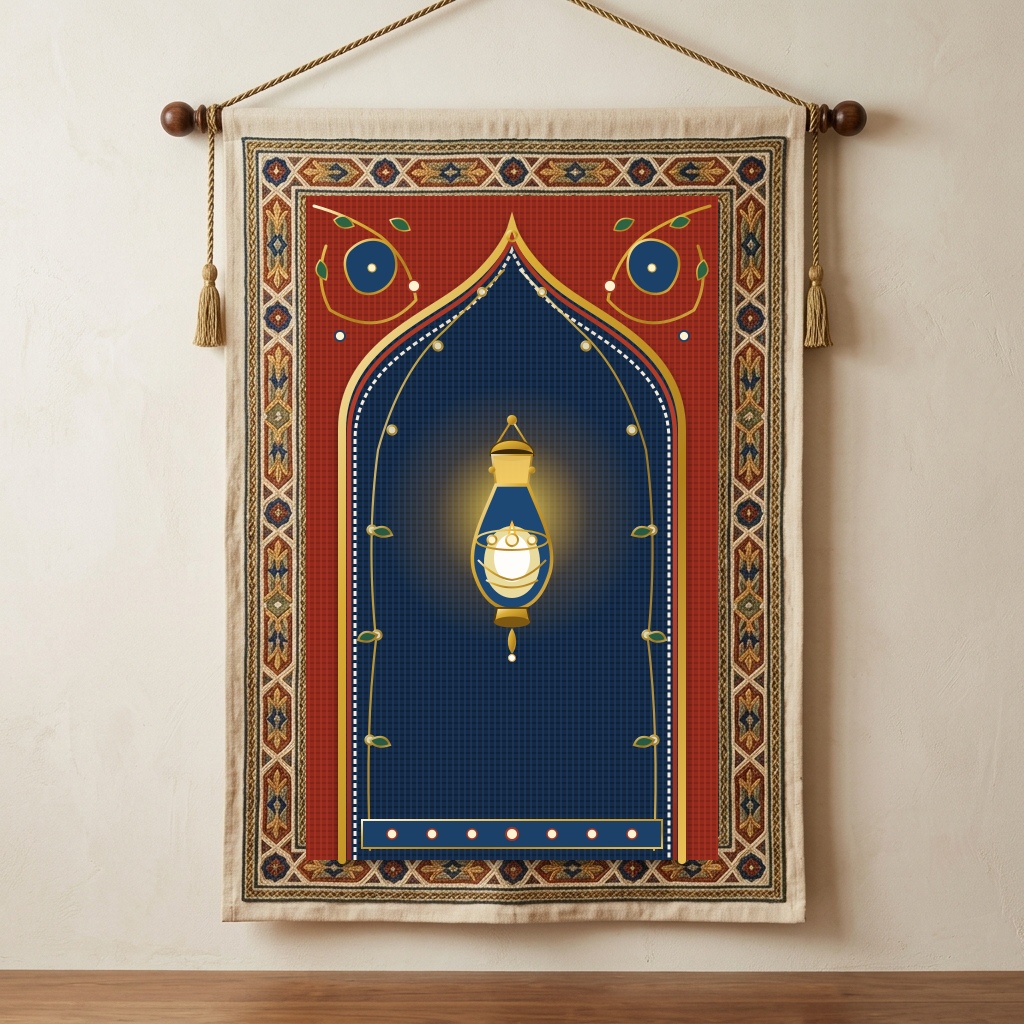
Kashmiri Aari Embroidered Mihrab Wall Hanging
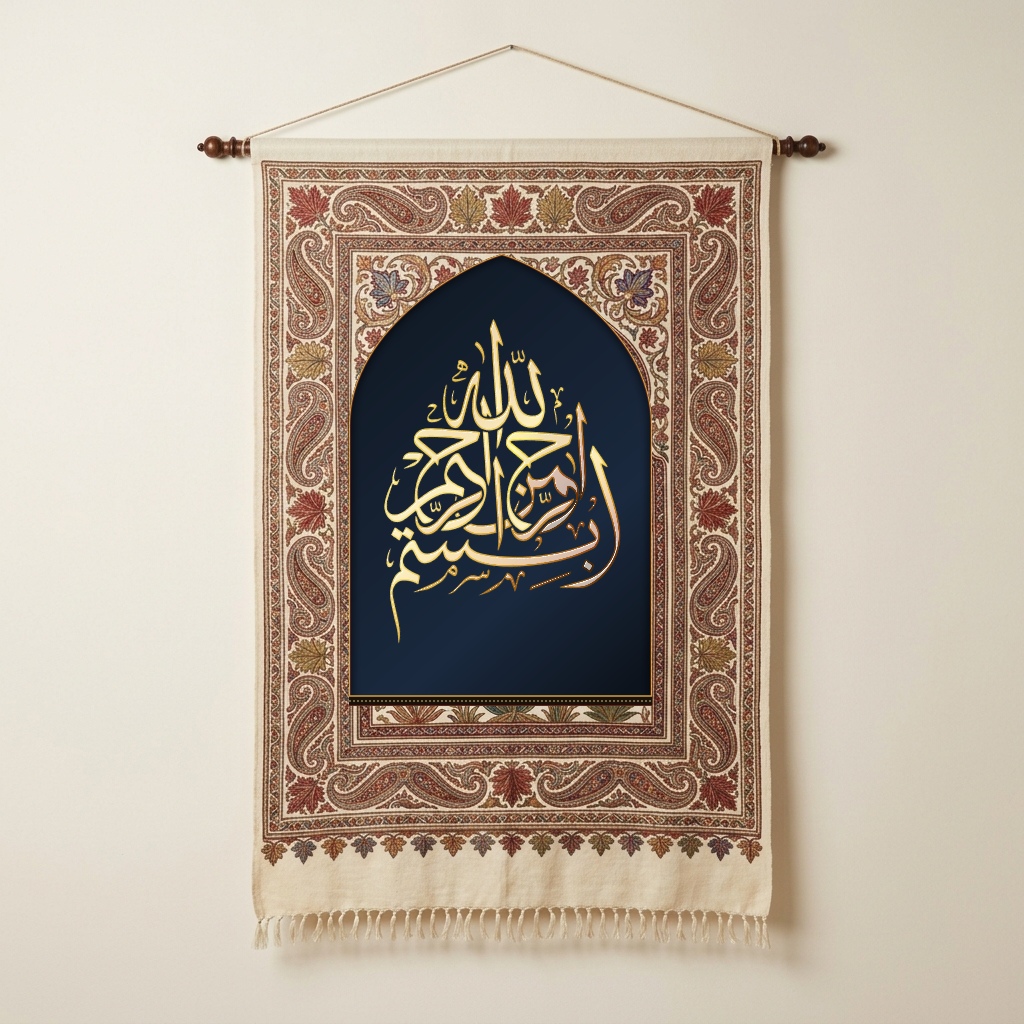
Hand-Embroidered Bismillah Textile Panel
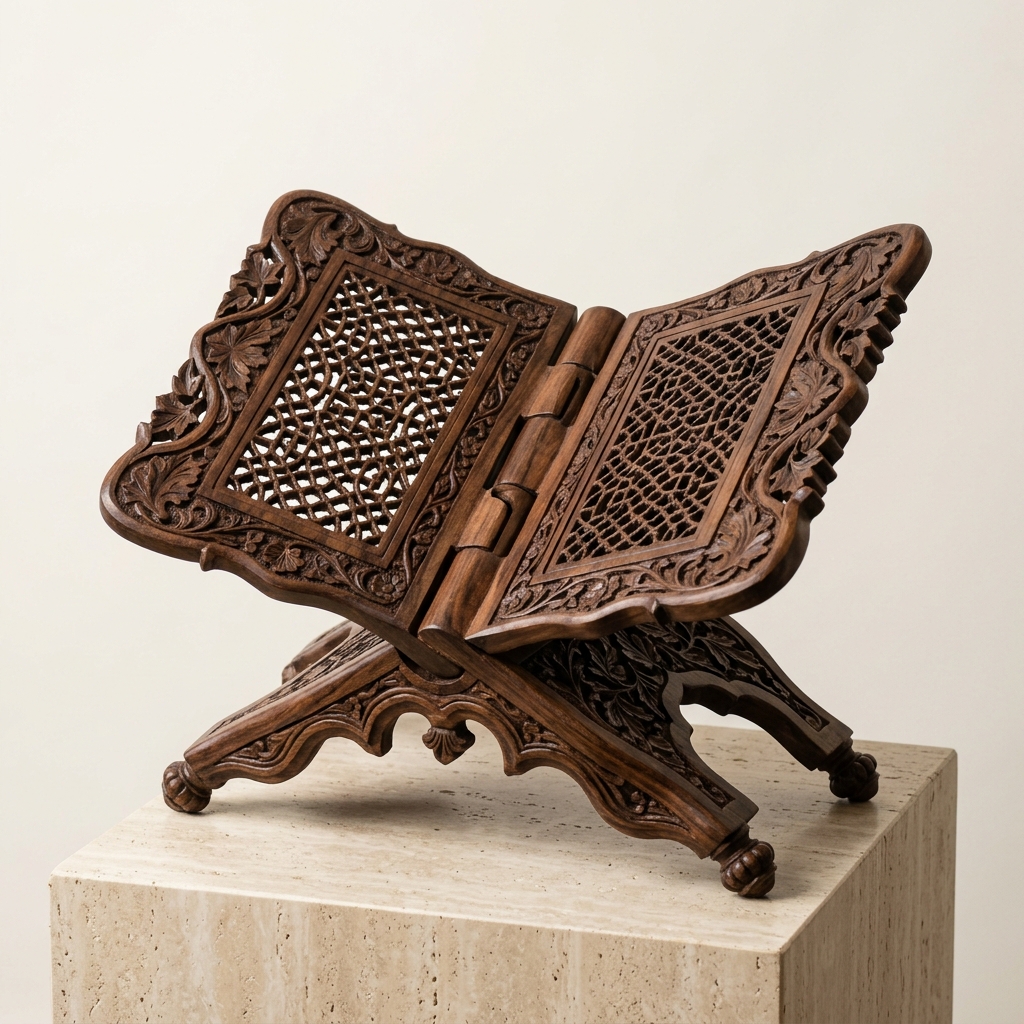
Kashmiri Walnut Wood Qur'an Rehal
Eid Luminous Silk Prayer Rug
A Sacred Inheritance,
Not a Souvenir
"Kashmir's heritage does not live only in celebrated shrines, historic monuments, or the names of saints."
"It survives in a hand that still knows how to carve, a thread that still passes through a loom, and an artisan who continues a skill inherited from another generation."
"When that knowledge disappears, the loss is greater than the disappearance of a product. A part of cultural memory disappears with it. Purple Soul seeks to bring that memory into view, so that what we acquire may be understood, and what we admire may also be preserved."